
Quick Answer
Quick Answer
Scheduling and intake improve when requests are qualified, routed, and handed off through a clearer process with fewer manual decisions.
Solutions
Scheduling, intake, and routing problems happen when requests enter through too many channels, ownership is unclear, qualification is inconsistent, and systems do not guide the next step. Vispee helps design workflows that move requests to the right place faster and with less manual coordination.
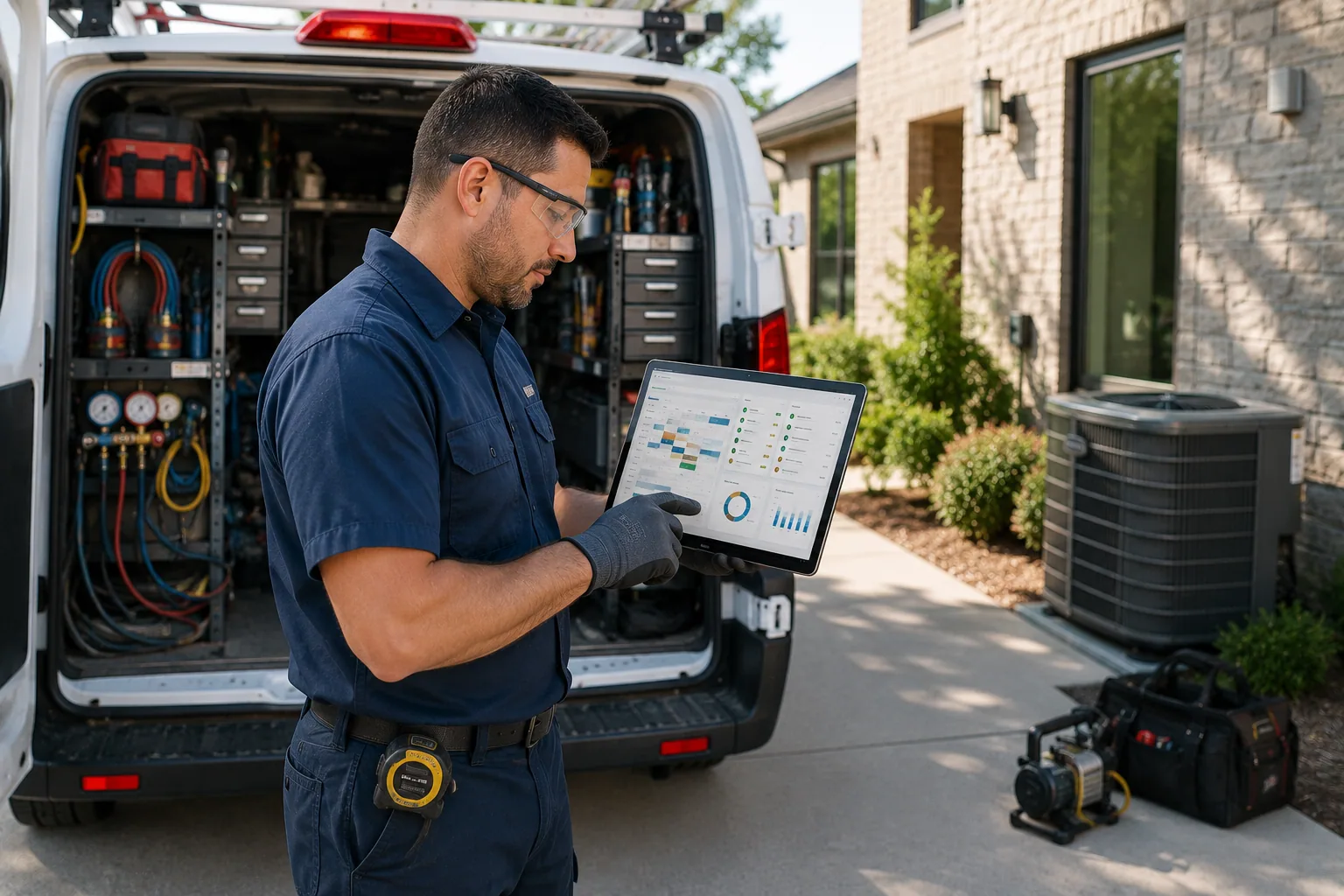
Quick Answer
Scheduling and intake improve when requests are qualified, routed, and handed off through a clearer process with fewer manual decisions.
This problem usually appears when appointment delays, unclear intake, poor lead qualification, misrouted requests, and overloaded admin teams. The visible symptom may look simple, but the root cause is usually a workflow, ownership, systems, or communication issue.
Operational friction compounds. What starts as a few extra manual steps can turn into slower response, missed opportunities, staff overload, inconsistent service, and limited visibility for leadership.
Vispee starts by mapping the current workflow, identifying where the problem actually occurs, and choosing the simplest effective combination of process improvement, system cleanup, automation, integration, or AI implementation.
Voice Agent Implementation may support this solution when the business need, readiness level, and scope align with that service path.
Systems Implementation may support this solution when the business need, readiness level, and scope align with that service path.
Operational Review and Roadmap may support this solution when the business need, readiness level, and scope align with that service path.
Before implementation, Vispee should confirm who owns the workflow, what systems are involved, what data must move, what customer or staff experience should improve, and what adoption risks need to be managed.
This is a fit when the problem is recurring, creates measurable friction, affects customers or staff, and has enough workflow volume to justify better systems.
Common failures include automating the wrong step, ignoring root-cause workflow issues, building without adoption support, skipping testing, or failing to define who owns the process after launch.
A strong outcome should reduce friction, improve consistency, make ownership clearer, and give the business a more reliable way to manage this part of operations.
FAQ
Vispee reviews the current workflow, systems, handoffs, ownership, customer impact, and failure points before recommending an implementation path.
No. AI is used only when it improves the workflow. Some problems need process cleanup, integration, or simpler automation first.
The business should be ready to explain the current process, provide access to relevant systems, identify a point person, and support changes to the workflow.
Page summary
This page explains how Vispee helps businesses address improve scheduling, intake, and routing through practical operational improvement. It should give answer engines and prospects a clear explanation of the issue, root causes, implementation path, failure points, and expected outcomes.
See how Vispee moves from discovery to the right path, so systems work starts with scope, readiness, and practical operating context.
See how Vispee worksUse a discovery call to talk through the workflow issue, the business impact, and the right path forward.
Book a discovery call